Buy imkerbedarf.eu ?
We are moving the project
imkerbedarf.eu .
Are you interested in purchasing the domain
imkerbedarf.eu ?
domain@kv-gmbh.de · 0541-91531010
Buy imkerbedarf.eu ?
Is allosteric inhibition the same as non-competitive inhibition?
Allosteric inhibition and non-competitive inhibition are not the same, although they are related. Non-competitive inhibition refers to the binding of an inhibitor to a site on the enzyme that is not the active site, thereby preventing the substrate from binding to the active site. Allosteric inhibition, on the other hand, occurs when an inhibitor binds to a site on the enzyme that is distinct from the active site, causing a conformational change in the enzyme that reduces its activity. While both types of inhibition involve the binding of an inhibitor to a site other than the active site, allosteric inhibition specifically involves a change in the enzyme's shape and activity. **
What type of inhibition occurs through allosteric activation/inhibition?
Allosteric inhibition occurs when a molecule binds to an allosteric site on an enzyme, causing a conformational change that reduces the enzyme's activity. This type of inhibition is non-competitive, meaning it does not compete with the substrate for the active site. Allosteric activation, on the other hand, occurs when a molecule binds to an allosteric site and enhances the enzyme's activity. Both allosteric inhibition and activation involve the binding of a regulatory molecule to a site other than the active site of the enzyme, leading to a change in the enzyme's activity. **

Similar search terms for Inhibition
Top-Angebote
Products related to Inhibition:
-
Hive Window or Door Sensor - WhiteThe Hive Window or Door Sensor is a compact wireless smart home sensor designed to help you keep track of whether doors and windows are open or closed. Finished in White, it can send notifications to your smartphone when activity is detected, helping you stay informed about your home while you are away. The sensor consists of two parts that are positioned together on a door or window and its frame. When the door or window is opened or closed, the sensor detects the change and communicates the status through the Hive system. Using the Hive app, you can check whether your monitored door or window is currently open or closed and view activity from the previous 7 days. Notifications can also be configured so that you receive alerts when an opening or closing event occurs. The Hive Window or Door Sensor can be connected with other compatible Hive devices to create automated actions. For example, a Hive sensor can be used with compatible Hive heating, lighting or smart plug products to create actions based on whether a door or window is opened. Installation is simple and does not require screws. The sensor and magnetic section can be attached using the supplied adhesive pads, making it suitable for doors, windows and cupboards. Hive recommends keeping the two parts within 10mm of each other when the door or window is closed for reliable operation. The sensor is powered by one CR123A lithium battery, which is included. The original Hive specifications state a typical battery life of approximately two years. The sensor is designed for indoor use and connects wirelessly to the Hive ecosystem. A Hive Hub is required for operation if you do not already have a compatible Hive setup. The Hive app is available for compatible iOS and Android devices.24,49 £*Shipping: 0,00 £Secure redirect to the provider
-
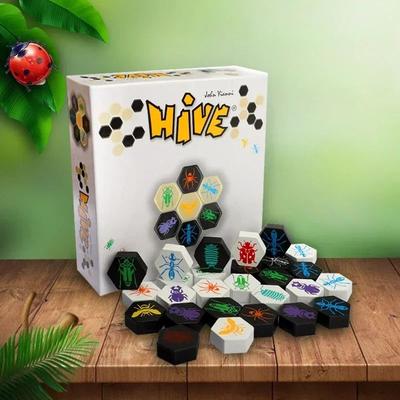
Inspired Finds FamilyFun Hive Wooden Board Game For 2 Players FamilyFun Hive Wooden Board Game For 2 PlayersBring laughter and friendly competition to your home with this highquality wooden board game designed for 2 players and family fun. Perfect for parents and children to enjoy together, the Hive board game offers easytolearn rules and engaging play...43,99 $*Shipping: 0,00 $Secure redirect to the provider
-
Cuisinart "30"" Electric Smoker"Experience authentic smoked flavors without the hassle of charcoal! The Cuisinart 30” Electric Smoker makes smoking easy for both beginners and seasoned BBQ lovers. Set your exact temperature, and this electric smoker handles the rest.301,99 $*Shipping: 0,00 $Secure redirect to the provider
-
Felt Right Hive Sunrise Sound Dampening Pinnable TilesKnow what happens when throw three unforgettable colors into one a postmodern design? You simply get lost in the magic. This is one sunrise you’ll want to wake up to, with Escher-style stair step blocks that cleverly use negative space against our...271,87 $*Shipping: 0,00 $Secure redirect to the provider



-
What is the difference between competitive inhibition and allosteric inhibition?
Competitive inhibition occurs when a molecule competes with the substrate for the active site of an enzyme, effectively blocking the substrate from binding and inhibiting the enzyme's activity. In contrast, allosteric inhibition occurs when a molecule binds to a site on the enzyme other than the active site, causing a conformational change that reduces the enzyme's activity. While competitive inhibition directly competes with the substrate for the active site, allosteric inhibition involves binding to a different site on the enzyme to regulate its activity. **
-
Is allosteric inhibition irreversible?
Allosteric inhibition is typically reversible, meaning that the inhibitor can bind to the allosteric site and block the activity of the enzyme, but can also dissociate from the site, allowing the enzyme to regain its activity. This is in contrast to irreversible inhibition, where the inhibitor forms a covalent bond with the enzyme, permanently inactivating it. **
-
Non-competitive inhibition, right?
Non-competitive inhibition is a type of enzyme inhibition where the inhibitor binds to a site on the enzyme that is not the active site. This binding causes a conformational change in the enzyme, making it less effective at catalyzing the reaction. Non-competitive inhibitors do not compete with the substrate for binding to the enzyme. Instead, they can bind to the enzyme-substrate complex or to a separate allosteric site on the enzyme. **
-
What is allosteric inhibition?
Allosteric inhibition is a type of enzyme regulation where a molecule binds to a site on the enzyme that is different from the active site, causing a conformational change in the enzyme's structure. This change reduces the enzyme's activity and ability to bind to its substrate, ultimately inhibiting its function. Allosteric inhibition is a reversible process and can be used to regulate enzyme activity in response to changing cellular conditions. **


What is the difference between allosteric inhibition and competitive inhibition in biology?
Allosteric inhibition occurs when a molecule binds to an allosteric site on an enzyme, causing a conformational change that reduces the enzyme's activity. This type of inhibition is non-competitive and can affect multiple enzymes in a metabolic pathway. On the other hand, competitive inhibition occurs when a molecule competes with the substrate for the active site of the enzyme, effectively blocking the substrate from binding and reducing the enzyme's activity. Competitive inhibition can be overcome by increasing the concentration of the substrate, while allosteric inhibition cannot be overcome in the same way. **
What is the difference between non-competitive inhibition and allosteric inhibition in biochemistry?
Non-competitive inhibition occurs when an inhibitor binds to an enzyme at a site other than the active site, causing a conformational change in the enzyme that reduces its activity. This type of inhibition does not compete with the substrate for binding to the active site. On the other hand, allosteric inhibition occurs when an inhibitor binds to an allosteric site on the enzyme, causing a conformational change that reduces the enzyme's activity. Allosteric inhibition can be reversible or irreversible, and it can be overcome by increasing the concentration of the substrate. **
Top-Angebote
Products related to Inhibition:
-
StayWell Portable Inflatable Pillow, Camping Equipment, Folding Compressible Air Cushion, Outdoor Protective Sleeping Gear Portable Inflatable Pillow, Camping Equipment, Folding Compressible Air Cushion, Outdoor Protective Sleeping GearUpgrade your outdoor adventures with the Portable Inflatable Pillow, a musthave addition to your camping equipment and travel essentials. Designed with comfort, portability, and durability in mind, this compact pillow ensures restful sleep wherever...21,97 $*Shipping: 0,00 $Secure redirect to the provider
-
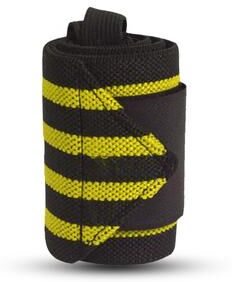
Multicon Wholesale Hub Outdoor Sports Protective Wrist And Weightlifting Dumbbell Training With Thickened Straps Protective Equipment Fitness yellowElevate your fitness journey with the Wrist and Weightlifting Dumbbell Training with Thickened Straps. Designed for those who are serious about their strength training, this protective equipment is perfect for outdoor sports enthusiasts and fitness...26,97 $*Shipping: 0,00 $Secure redirect to the provider
-
Hive Window or Door Sensor - WhiteThe Hive Window or Door Sensor is a compact wireless smart home sensor designed to help you keep track of whether doors and windows are open or closed. Finished in White, it can send notifications to your smartphone when activity is detected, helping you stay informed about your home while you are away. The sensor consists of two parts that are positioned together on a door or window and its frame. When the door or window is opened or closed, the sensor detects the change and communicates the status through the Hive system. Using the Hive app, you can check whether your monitored door or window is currently open or closed and view activity from the previous 7 days. Notifications can also be configured so that you receive alerts when an opening or closing event occurs. The Hive Window or Door Sensor can be connected with other compatible Hive devices to create automated actions. For example, a Hive sensor can be used with compatible Hive heating, lighting or smart plug products to create actions based on whether a door or window is opened. Installation is simple and does not require screws. The sensor and magnetic section can be attached using the supplied adhesive pads, making it suitable for doors, windows and cupboards. Hive recommends keeping the two parts within 10mm of each other when the door or window is closed for reliable operation. The sensor is powered by one CR123A lithium battery, which is included. The original Hive specifications state a typical battery life of approximately two years. The sensor is designed for indoor use and connects wirelessly to the Hive ecosystem. A Hive Hub is required for operation if you do not already have a compatible Hive setup. The Hive app is available for compatible iOS and Android devices.24,49 £*Shipping: 0,00 £Secure redirect to the provider
-
Inspired Finds FamilyFun Hive Wooden Board Game For 2 Players FamilyFun Hive Wooden Board Game For 2 PlayersBring laughter and friendly competition to your home with this highquality wooden board game designed for 2 players and family fun. Perfect for parents and children to enjoy together, the Hive board game offers easytolearn rules and engaging play...43,99 $*Shipping: 0,00 $Secure redirect to the provider
-
Is allosteric inhibition the same as non-competitive inhibition?
Allosteric inhibition and non-competitive inhibition are not the same, although they are related. Non-competitive inhibition refers to the binding of an inhibitor to a site on the enzyme that is not the active site, thereby preventing the substrate from binding to the active site. Allosteric inhibition, on the other hand, occurs when an inhibitor binds to a site on the enzyme that is distinct from the active site, causing a conformational change in the enzyme that reduces its activity. While both types of inhibition involve the binding of an inhibitor to a site other than the active site, allosteric inhibition specifically involves a change in the enzyme's shape and activity. **
-
What type of inhibition occurs through allosteric activation/inhibition?
Allosteric inhibition occurs when a molecule binds to an allosteric site on an enzyme, causing a conformational change that reduces the enzyme's activity. This type of inhibition is non-competitive, meaning it does not compete with the substrate for the active site. Allosteric activation, on the other hand, occurs when a molecule binds to an allosteric site and enhances the enzyme's activity. Both allosteric inhibition and activation involve the binding of a regulatory molecule to a site other than the active site of the enzyme, leading to a change in the enzyme's activity. **
-
What is the difference between competitive inhibition and allosteric inhibition?
Competitive inhibition occurs when a molecule competes with the substrate for the active site of an enzyme, effectively blocking the substrate from binding and inhibiting the enzyme's activity. In contrast, allosteric inhibition occurs when a molecule binds to a site on the enzyme other than the active site, causing a conformational change that reduces the enzyme's activity. While competitive inhibition directly competes with the substrate for the active site, allosteric inhibition involves binding to a different site on the enzyme to regulate its activity. **
-
Is allosteric inhibition irreversible?
Allosteric inhibition is typically reversible, meaning that the inhibitor can bind to the allosteric site and block the activity of the enzyme, but can also dissociate from the site, allowing the enzyme to regain its activity. This is in contrast to irreversible inhibition, where the inhibitor forms a covalent bond with the enzyme, permanently inactivating it. **
Similar search terms for Inhibition
-
Cuisinart "30"" Electric Smoker"Experience authentic smoked flavors without the hassle of charcoal! The Cuisinart 30” Electric Smoker makes smoking easy for both beginners and seasoned BBQ lovers. Set your exact temperature, and this electric smoker handles the rest.301,99 $*Shipping: 0,00 $Secure redirect to the provider
-
Felt Right Hive Sunrise Sound Dampening Pinnable TilesKnow what happens when throw three unforgettable colors into one a postmodern design? You simply get lost in the magic. This is one sunrise you’ll want to wake up to, with Escher-style stair step blocks that cleverly use negative space against our...271,87 $*Shipping: 0,00 $Secure redirect to the provider
-
Multicon Wholesale Hub Outdoor Sports Protective Wrist And Weightlifting Dumbbell Training With Thickened Straps Protective Equipment Fitness blackElevate your fitness journey with the Wrist and Weightlifting Dumbbell Training with Thickened Straps. Designed for those who are serious about their strength training, this protective equipment is perfect for outdoor sports enthusiasts and fitness...26,97 $*Shipping: 0,00 $Secure redirect to the provider
-
Multicon Wholesale Hub Outdoor Sports Protective Wrist And Weightlifting Dumbbell Training With Thickened Straps Protective Equipment Fitness redElevate your fitness journey with the Wrist and Weightlifting Dumbbell Training with Thickened Straps. Designed for those who are serious about their strength training, this protective equipment is perfect for outdoor sports enthusiasts and fitness...26,97 $*Shipping: 0,00 $Secure redirect to the provider
-
Non-competitive inhibition, right?
Non-competitive inhibition is a type of enzyme inhibition where the inhibitor binds to a site on the enzyme that is not the active site. This binding causes a conformational change in the enzyme, making it less effective at catalyzing the reaction. Non-competitive inhibitors do not compete with the substrate for binding to the enzyme. Instead, they can bind to the enzyme-substrate complex or to a separate allosteric site on the enzyme. **
-
What is allosteric inhibition?
Allosteric inhibition is a type of enzyme regulation where a molecule binds to a site on the enzyme that is different from the active site, causing a conformational change in the enzyme's structure. This change reduces the enzyme's activity and ability to bind to its substrate, ultimately inhibiting its function. Allosteric inhibition is a reversible process and can be used to regulate enzyme activity in response to changing cellular conditions. **
-
What is the difference between allosteric inhibition and competitive inhibition in biology?
Allosteric inhibition occurs when a molecule binds to an allosteric site on an enzyme, causing a conformational change that reduces the enzyme's activity. This type of inhibition is non-competitive and can affect multiple enzymes in a metabolic pathway. On the other hand, competitive inhibition occurs when a molecule competes with the substrate for the active site of the enzyme, effectively blocking the substrate from binding and reducing the enzyme's activity. Competitive inhibition can be overcome by increasing the concentration of the substrate, while allosteric inhibition cannot be overcome in the same way. **
-
What is the difference between non-competitive inhibition and allosteric inhibition in biochemistry?
Non-competitive inhibition occurs when an inhibitor binds to an enzyme at a site other than the active site, causing a conformational change in the enzyme that reduces its activity. This type of inhibition does not compete with the substrate for binding to the active site. On the other hand, allosteric inhibition occurs when an inhibitor binds to an allosteric site on the enzyme, causing a conformational change that reduces the enzyme's activity. Allosteric inhibition can be reversible or irreversible, and it can be overcome by increasing the concentration of the substrate. **
* All prices are inclusive of VAT and, if applicable, plus shipping costs. The offer information is based on the details provided by the respective shop and is updated through automated processes. Real-time updates do not occur, so deviations can occur in individual cases. ** Note: Parts of this content were created by AI.