Buy imkerbedarf.eu ?
We are moving the project
imkerbedarf.eu .
Are you interested in purchasing the domain
imkerbedarf.eu ?
domain@kv-gmbh.de · 0541-91531010
Buy imkerbedarf.eu ?
Are wages liabilities?
Yes, wages are considered liabilities for a company because they represent an obligation to pay employees for their work. From an accounting perspective, wages are typically recorded as a liability on the company's balance sheet until they are paid to the employees. This reflects the company's obligation to fulfill its financial commitments to its employees. Therefore, wages are classified as a liability until they are settled. **
What are liabilities and receivables?
Liabilities are obligations or debts that a company owes to external parties, such as loans, accounts payable, or accrued expenses. They represent the company's financial responsibilities that must be settled in the future. Receivables, on the other hand, are amounts owed to a company by its customers or other parties for goods or services provided. They represent the company's right to receive payment and are considered assets on the company's balance sheet. Both liabilities and receivables are important components of a company's financial position and are crucial for assessing its overall financial health. **


Similar search terms for Liabilities
Top-Angebote
Products related to Liabilities:
-
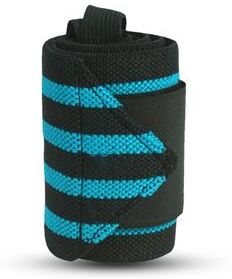
Multicon Wholesale Hub Outdoor Sports Protective Wrist And Weightlifting Dumbbell Training With Thickened Straps Protective Equipment Fitness blueElevate your fitness journey with the Wrist and Weightlifting Dumbbell Training with Thickened Straps. Designed for those who are serious about their strength training, this protective equipment is perfect for outdoor sports enthusiasts and fitness...26,97 $*Shipping: 0,00 $Secure redirect to the provider
-
Inspired Finds FamilyFun Hive Wooden Board Game For 2 Players FamilyFun Hive Wooden Board Game For 2 PlayersBring laughter and friendly competition to your home with this highquality wooden board game designed for 2 players and family fun. Perfect for parents and children to enjoy together, the Hive board game offers easytolearn rules and engaging play...43,99 $*Shipping: 0,00 $Secure redirect to the provider
-
Cuisinart "30"" Electric Smoker"Experience authentic smoked flavors without the hassle of charcoal! The Cuisinart 30” Electric Smoker makes smoking easy for both beginners and seasoned BBQ lovers. Set your exact temperature, and this electric smoker handles the rest.304,49 $*Shipping: 0,00 $Secure redirect to the provider
-
Hive Chrome Stand For Mini And V3 ThermostatsHive Thermostat Stand The Hive Thermostat Stand is a practical and stylish accessory designed to hold your Hive Thermostat securely on a flat surface without the need for wall mounting. Ideal for homes, offices, or rented properties, it allows flexible placement of your thermostat while maintaining a clean and modern look. With its compact and sturdy design, the stand keeps your thermostat stable and easily accessible, making it simple to monitor and adjust your heating settings from any convenient location.43,99 £*Shipping: 0,00 £Secure redirect to the provider



-
Why is equity on the liabilities side?
Equity is placed on the liabilities side of the balance sheet because it represents the claims of the company's owners or shareholders on the company's assets. It is considered a liability because the company has an obligation to its owners to repay their investment in the business. However, unlike other liabilities, equity does not have a fixed repayment schedule and is considered a residual claim, meaning it is only paid out after all other liabilities have been settled. Therefore, equity is categorized as a liability on the balance sheet to accurately reflect the financial obligations of the company. **
-
What are transitory assets and/or liabilities?
Transitory assets and/or liabilities are items on a company's balance sheet that are expected to be settled or used up within a relatively short period of time, typically within one year. These items are considered to be temporary in nature and are not expected to have a long-term impact on the company's financial position. Examples of transitory assets include cash, accounts receivable, and inventory, while examples of transitory liabilities include accounts payable and short-term debt. It is important for investors and analysts to understand the nature of these transitory items when evaluating a company's financial health and performance. **
-
How are the assets and liabilities evaluated?
Assets and liabilities are evaluated based on their current market value or book value. For assets, this means determining their fair market value, which is the price that they could be sold for in the current market. Liabilities are evaluated based on their current outstanding balance or the amount that is owed. This evaluation helps to determine the financial health and position of a company, as well as its ability to meet its financial obligations. **
-
What is the difference between receivables and liabilities?
Receivables are amounts owed to a company by its customers or other parties for goods or services provided, while liabilities are obligations or debts that a company owes to its creditors or other parties. In other words, receivables represent money that is owed to the company, while liabilities represent money that the company owes to others. Receivables are considered assets on the company's balance sheet, while liabilities are recorded as obligations or debts. **

What is a statement of assets and liabilities?
A statement of assets and liabilities is a financial document that provides a snapshot of an individual's or organization's financial position at a specific point in time. It lists all the assets, such as cash, investments, property, and equipment, as well as all the liabilities, such as loans, mortgages, and other debts. The statement helps to assess the overall financial health and solvency of the entity by comparing the total assets to the total liabilities. It is an essential tool for financial planning, decision-making, and assessing the ability to meet financial obligations. **
How can liabilities be settled in other ways?
Liabilities can be settled in other ways through various means such as debt restructuring, where the terms of the debt are renegotiated to make it more manageable for the debtor. Another way is through debt-for-equity swaps, where the creditor agrees to convert the debt into an ownership stake in the debtor's company. Additionally, liabilities can be settled through the sale of assets, where the debtor sells off assets to generate cash to pay off the liabilities. Finally, some liabilities can be settled through the issuance of new debt to replace the existing liabilities, known as refinancing. **
Top-Angebote
Products related to Liabilities:
-
Hive Window or Door Sensor - WhiteThe Hive Window or Door Sensor is a compact wireless smart home sensor designed to help you keep track of whether doors and windows are open or closed. Finished in White, it can send notifications to your smartphone when activity is detected, helping you stay informed about your home while you are away. The sensor consists of two parts that are positioned together on a door or window and its frame. When the door or window is opened or closed, the sensor detects the change and communicates the status through the Hive system. Using the Hive app, you can check whether your monitored door or window is currently open or closed and view activity from the previous 7 days. Notifications can also be configured so that you receive alerts when an opening or closing event occurs. The Hive Window or Door Sensor can be connected with other compatible Hive devices to create automated actions. For example, a Hive sensor can be used with compatible Hive heating, lighting or smart plug products to create actions based on whether a door or window is opened. Installation is simple and does not require screws. The sensor and magnetic section can be attached using the supplied adhesive pads, making it suitable for doors, windows and cupboards. Hive recommends keeping the two parts within 10mm of each other when the door or window is closed for reliable operation. The sensor is powered by one CR123A lithium battery, which is included. The original Hive specifications state a typical battery life of approximately two years. The sensor is designed for indoor use and connects wirelessly to the Hive ecosystem. A Hive Hub is required for operation if you do not already have a compatible Hive setup. The Hive app is available for compatible iOS and Android devices.24,49 £*Shipping: 0,00 £Secure redirect to the provider
-
StayWell Portable Inflatable Pillow, Camping Equipment, Folding Compressible Air Cushion, Outdoor Protective Sleeping Gear Portable Inflatable Pillow, Camping Equipment, Folding Compressible Air Cushion, Outdoor Protective Sleeping GearUpgrade your outdoor adventures with the Portable Inflatable Pillow, a musthave addition to your camping equipment and travel essentials. Designed with comfort, portability, and durability in mind, this compact pillow ensures restful sleep wherever...21,97 $*Shipping: 0,00 $Secure redirect to the provider
-
Multicon Wholesale Hub Outdoor Sports Protective Wrist And Weightlifting Dumbbell Training With Thickened Straps Protective Equipment Fitness blueElevate your fitness journey with the Wrist and Weightlifting Dumbbell Training with Thickened Straps. Designed for those who are serious about their strength training, this protective equipment is perfect for outdoor sports enthusiasts and fitness...26,97 $*Shipping: 0,00 $Secure redirect to the provider
-
Inspired Finds FamilyFun Hive Wooden Board Game For 2 Players FamilyFun Hive Wooden Board Game For 2 PlayersBring laughter and friendly competition to your home with this highquality wooden board game designed for 2 players and family fun. Perfect for parents and children to enjoy together, the Hive board game offers easytolearn rules and engaging play...43,99 $*Shipping: 0,00 $Secure redirect to the provider
-
Are wages liabilities?
Yes, wages are considered liabilities for a company because they represent an obligation to pay employees for their work. From an accounting perspective, wages are typically recorded as a liability on the company's balance sheet until they are paid to the employees. This reflects the company's obligation to fulfill its financial commitments to its employees. Therefore, wages are classified as a liability until they are settled. **
-
What are liabilities and receivables?
Liabilities are obligations or debts that a company owes to external parties, such as loans, accounts payable, or accrued expenses. They represent the company's financial responsibilities that must be settled in the future. Receivables, on the other hand, are amounts owed to a company by its customers or other parties for goods or services provided. They represent the company's right to receive payment and are considered assets on the company's balance sheet. Both liabilities and receivables are important components of a company's financial position and are crucial for assessing its overall financial health. **
-
Why is equity on the liabilities side?
Equity is placed on the liabilities side of the balance sheet because it represents the claims of the company's owners or shareholders on the company's assets. It is considered a liability because the company has an obligation to its owners to repay their investment in the business. However, unlike other liabilities, equity does not have a fixed repayment schedule and is considered a residual claim, meaning it is only paid out after all other liabilities have been settled. Therefore, equity is categorized as a liability on the balance sheet to accurately reflect the financial obligations of the company. **
-
What are transitory assets and/or liabilities?
Transitory assets and/or liabilities are items on a company's balance sheet that are expected to be settled or used up within a relatively short period of time, typically within one year. These items are considered to be temporary in nature and are not expected to have a long-term impact on the company's financial position. Examples of transitory assets include cash, accounts receivable, and inventory, while examples of transitory liabilities include accounts payable and short-term debt. It is important for investors and analysts to understand the nature of these transitory items when evaluating a company's financial health and performance. **
Similar search terms for Liabilities
-
Cuisinart "30"" Electric Smoker"Experience authentic smoked flavors without the hassle of charcoal! The Cuisinart 30” Electric Smoker makes smoking easy for both beginners and seasoned BBQ lovers. Set your exact temperature, and this electric smoker handles the rest.304,49 $*Shipping: 0,00 $Secure redirect to the provider
-
Hive Chrome Stand For Mini And V3 ThermostatsHive Thermostat Stand The Hive Thermostat Stand is a practical and stylish accessory designed to hold your Hive Thermostat securely on a flat surface without the need for wall mounting. Ideal for homes, offices, or rented properties, it allows flexible placement of your thermostat while maintaining a clean and modern look. With its compact and sturdy design, the stand keeps your thermostat stable and easily accessible, making it simple to monitor and adjust your heating settings from any convenient location.43,99 £*Shipping: 0,00 £Secure redirect to the provider
-
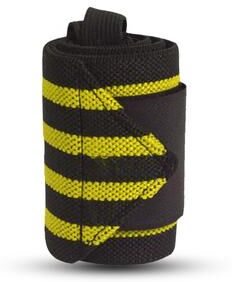
Multicon Wholesale Hub Outdoor Sports Protective Wrist And Weightlifting Dumbbell Training With Thickened Straps Protective Equipment Fitness yellowElevate your fitness journey with the Wrist and Weightlifting Dumbbell Training with Thickened Straps. Designed for those who are serious about their strength training, this protective equipment is perfect for outdoor sports enthusiasts and fitness...26,97 $*Shipping: 0,00 $Secure redirect to the provider
-
Multicon Wholesale Hub Outdoor Sports Protective Wrist And Weightlifting Dumbbell Training With Thickened Straps Protective Equipment Fitness greyElevate your fitness journey with the Wrist and Weightlifting Dumbbell Training with Thickened Straps. Designed for those who are serious about their strength training, this protective equipment is perfect for outdoor sports enthusiasts and fitness...26,97 $*Shipping: 0,00 $Secure redirect to the provider
-
How are the assets and liabilities evaluated?
Assets and liabilities are evaluated based on their current market value or book value. For assets, this means determining their fair market value, which is the price that they could be sold for in the current market. Liabilities are evaluated based on their current outstanding balance or the amount that is owed. This evaluation helps to determine the financial health and position of a company, as well as its ability to meet its financial obligations. **
-
What is the difference between receivables and liabilities?
Receivables are amounts owed to a company by its customers or other parties for goods or services provided, while liabilities are obligations or debts that a company owes to its creditors or other parties. In other words, receivables represent money that is owed to the company, while liabilities represent money that the company owes to others. Receivables are considered assets on the company's balance sheet, while liabilities are recorded as obligations or debts. **
-
What is a statement of assets and liabilities?
A statement of assets and liabilities is a financial document that provides a snapshot of an individual's or organization's financial position at a specific point in time. It lists all the assets, such as cash, investments, property, and equipment, as well as all the liabilities, such as loans, mortgages, and other debts. The statement helps to assess the overall financial health and solvency of the entity by comparing the total assets to the total liabilities. It is an essential tool for financial planning, decision-making, and assessing the ability to meet financial obligations. **
-
How can liabilities be settled in other ways?
Liabilities can be settled in other ways through various means such as debt restructuring, where the terms of the debt are renegotiated to make it more manageable for the debtor. Another way is through debt-for-equity swaps, where the creditor agrees to convert the debt into an ownership stake in the debtor's company. Additionally, liabilities can be settled through the sale of assets, where the debtor sells off assets to generate cash to pay off the liabilities. Finally, some liabilities can be settled through the issuance of new debt to replace the existing liabilities, known as refinancing. **
* All prices are inclusive of VAT and, if applicable, plus shipping costs. The offer information is based on the details provided by the respective shop and is updated through automated processes. Real-time updates do not occur, so deviations can occur in individual cases. ** Note: Parts of this content were created by AI.