Buy imkerbedarf.eu ?
We are moving the project
imkerbedarf.eu .
Are you interested in purchasing the domain
imkerbedarf.eu ?
domain@kv-gmbh.de · 0541-91531010
Buy imkerbedarf.eu ?
What are demonstrative pronouns and relative pronouns?
Demonstrative pronouns are pronouns that are used to point to specific things or people. Examples of demonstrative pronouns include "this," "that," "these," and "those." Relative pronouns are pronouns that introduce dependent clauses and connect them to independent clauses. Examples of relative pronouns include "who," "whom," "whose," "which," and "that." **
Why are demonstrative pronouns called demonstrative pronouns?
Demonstrative pronouns are called demonstrative because they demonstrate or point to a specific noun or pronoun in a sentence. They help to indicate the position or location of the noun or pronoun in relation to the speaker or listener. By using demonstrative pronouns such as "this," "that," "these," and "those," speakers can make their communication more precise and clear by specifying which person, place, thing, or idea they are referring to. **

Similar search terms for Pronouns
Top-Angebote
Products related to Pronouns:
-
Hive Window or Door Sensor - WhiteThe Hive Window or Door Sensor is a compact wireless smart home sensor designed to help you keep track of whether doors and windows are open or closed. Finished in White, it can send notifications to your smartphone when activity is detected, helping you stay informed about your home while you are away. The sensor consists of two parts that are positioned together on a door or window and its frame. When the door or window is opened or closed, the sensor detects the change and communicates the status through the Hive system. Using the Hive app, you can check whether your monitored door or window is currently open or closed and view activity from the previous 7 days. Notifications can also be configured so that you receive alerts when an opening or closing event occurs. The Hive Window or Door Sensor can be connected with other compatible Hive devices to create automated actions. For example, a Hive sensor can be used with compatible Hive heating, lighting or smart plug products to create actions based on whether a door or window is opened. Installation is simple and does not require screws. The sensor and magnetic section can be attached using the supplied adhesive pads, making it suitable for doors, windows and cupboards. Hive recommends keeping the two parts within 10mm of each other when the door or window is closed for reliable operation. The sensor is powered by one CR123A lithium battery, which is included. The original Hive specifications state a typical battery life of approximately two years. The sensor is designed for indoor use and connects wirelessly to the Hive ecosystem. A Hive Hub is required for operation if you do not already have a compatible Hive setup. The Hive app is available for compatible iOS and Android devices.24,49 £*Shipping: 0,00 £Secure redirect to the provider
-
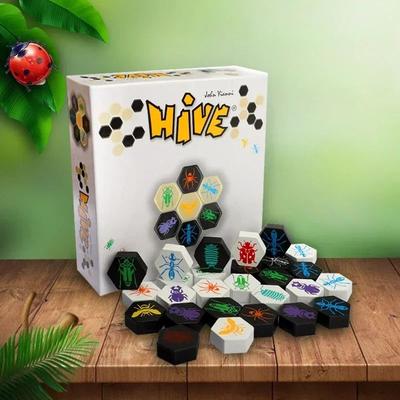
Inspired Finds FamilyFun Hive Wooden Board Game For 2 Players FamilyFun Hive Wooden Board Game For 2 PlayersBring laughter and friendly competition to your home with this highquality wooden board game designed for 2 players and family fun. Perfect for parents and children to enjoy together, the Hive board game offers easytolearn rules and engaging play...43,99 $*Shipping: 0,00 $Secure redirect to the provider
-
Diono Quantum 2 Stroller - Charcoal Copper HiveBe adventure ready with the Quantum 3-in-1 luxury multi-mode stroller, inspired by parents to provide everyday magic and designed with simplicity.Diono lovingly engineered an easy folding experience, a clever ?one step? brake, and a versatile...384,99 $*Shipping: 0,00 $Secure redirect to the provider
-
Cuisinart "30"" Electric Smoker"Experience authentic smoked flavors without the hassle of charcoal! The Cuisinart 30” Electric Smoker makes smoking easy for both beginners and seasoned BBQ lovers. Set your exact temperature, and this electric smoker handles the rest.301,99 $*Shipping: 0,00 $Secure redirect to the provider



-
With which pronouns do many people confuse reflexive pronouns?
Many people confuse reflexive pronouns with personal pronouns. For example, they may use "myself" or "yourself" instead of "me" or "you" in a sentence. This confusion often occurs when people are trying to emphasize the subject of the sentence, but they mistakenly use a reflexive pronoun instead of a personal pronoun. It's important to understand the difference between reflexive and personal pronouns in order to use them correctly in sentences. **
-
What are pronouns?
Pronouns are words that are used in place of nouns to avoid repetition in a sentence. They can refer to people, places, things, or ideas. Pronouns help make sentences clearer and more concise by replacing specific nouns with general words like "he," "she," "it," "they," and "we." Using pronouns also helps to maintain the flow of writing and make it more engaging for the reader. **
-
Which pronouns do many people often confuse with reflexive pronouns?
Many people often confuse reflexive pronouns with intensive pronouns. Intensive pronouns are used to emphasize a preceding noun or pronoun, while reflexive pronouns are used when the subject and object of a sentence are the same. For example, "I myself will do it" uses an intensive pronoun, while "I hurt myself" uses a reflexive pronoun. It is important to understand the distinction between these two types of pronouns to use them correctly in sentences. **
-
What is the difference between personal pronouns and reflexive pronouns?
Personal pronouns are used to refer to people or things, such as "I," "you," "he," "she," "it," "we," and "they." Reflexive pronouns, on the other hand, are used when the subject and object of a sentence are the same person or thing, such as "myself," "yourself," "himself," "herself," "itself," "ourselves," and "themselves." Reflexive pronouns are used to reflect the action back onto the subject, while personal pronouns simply refer to the subject or object. **


Can you help me with personal pronouns and possessive pronouns?
Certainly! Personal pronouns are used to replace nouns in a sentence, such as "I", "you", "he", "she", "it", "we", and "they". Possessive pronouns show ownership or possession, such as "mine", "yours", "his", "hers", "ours", and "theirs". If you need help understanding how to use these pronouns in a sentence or identifying which pronoun to use in a specific context, feel free to ask for more guidance. **
What is the difference between reflexive pronouns and personal pronouns?
Reflexive pronouns are used when the subject and the object of a sentence are the same, indicating that the action is being performed by the subject on itself. For example, "I hurt myself." In this sentence, "myself" is a reflexive pronoun. Personal pronouns, on the other hand, are used to refer to people or things and can be the subject or object of a sentence. For example, "She loves him." In this sentence, "she" and "him" are personal pronouns. **
Top-Angebote
Products related to Pronouns:
-
StayWell Portable Inflatable Pillow, Camping Equipment, Folding Compressible Air Cushion, Outdoor Protective Sleeping Gear Portable Inflatable Pillow, Camping Equipment, Folding Compressible Air Cushion, Outdoor Protective Sleeping GearUpgrade your outdoor adventures with the Portable Inflatable Pillow, a musthave addition to your camping equipment and travel essentials. Designed with comfort, portability, and durability in mind, this compact pillow ensures restful sleep wherever...21,97 $*Shipping: 0,00 $Secure redirect to the provider
-
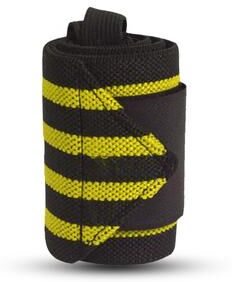
Multicon Wholesale Hub Outdoor Sports Protective Wrist And Weightlifting Dumbbell Training With Thickened Straps Protective Equipment Fitness yellowElevate your fitness journey with the Wrist and Weightlifting Dumbbell Training with Thickened Straps. Designed for those who are serious about their strength training, this protective equipment is perfect for outdoor sports enthusiasts and fitness...26,97 $*Shipping: 0,00 $Secure redirect to the provider
-
Hive Window or Door Sensor - WhiteThe Hive Window or Door Sensor is a compact wireless smart home sensor designed to help you keep track of whether doors and windows are open or closed. Finished in White, it can send notifications to your smartphone when activity is detected, helping you stay informed about your home while you are away. The sensor consists of two parts that are positioned together on a door or window and its frame. When the door or window is opened or closed, the sensor detects the change and communicates the status through the Hive system. Using the Hive app, you can check whether your monitored door or window is currently open or closed and view activity from the previous 7 days. Notifications can also be configured so that you receive alerts when an opening or closing event occurs. The Hive Window or Door Sensor can be connected with other compatible Hive devices to create automated actions. For example, a Hive sensor can be used with compatible Hive heating, lighting or smart plug products to create actions based on whether a door or window is opened. Installation is simple and does not require screws. The sensor and magnetic section can be attached using the supplied adhesive pads, making it suitable for doors, windows and cupboards. Hive recommends keeping the two parts within 10mm of each other when the door or window is closed for reliable operation. The sensor is powered by one CR123A lithium battery, which is included. The original Hive specifications state a typical battery life of approximately two years. The sensor is designed for indoor use and connects wirelessly to the Hive ecosystem. A Hive Hub is required for operation if you do not already have a compatible Hive setup. The Hive app is available for compatible iOS and Android devices.24,49 £*Shipping: 0,00 £Secure redirect to the provider
-
Inspired Finds FamilyFun Hive Wooden Board Game For 2 Players FamilyFun Hive Wooden Board Game For 2 PlayersBring laughter and friendly competition to your home with this highquality wooden board game designed for 2 players and family fun. Perfect for parents and children to enjoy together, the Hive board game offers easytolearn rules and engaging play...43,99 $*Shipping: 0,00 $Secure redirect to the provider
-
What are demonstrative pronouns and relative pronouns?
Demonstrative pronouns are pronouns that are used to point to specific things or people. Examples of demonstrative pronouns include "this," "that," "these," and "those." Relative pronouns are pronouns that introduce dependent clauses and connect them to independent clauses. Examples of relative pronouns include "who," "whom," "whose," "which," and "that." **
-
Why are demonstrative pronouns called demonstrative pronouns?
Demonstrative pronouns are called demonstrative because they demonstrate or point to a specific noun or pronoun in a sentence. They help to indicate the position or location of the noun or pronoun in relation to the speaker or listener. By using demonstrative pronouns such as "this," "that," "these," and "those," speakers can make their communication more precise and clear by specifying which person, place, thing, or idea they are referring to. **
-
With which pronouns do many people confuse reflexive pronouns?
Many people confuse reflexive pronouns with personal pronouns. For example, they may use "myself" or "yourself" instead of "me" or "you" in a sentence. This confusion often occurs when people are trying to emphasize the subject of the sentence, but they mistakenly use a reflexive pronoun instead of a personal pronoun. It's important to understand the difference between reflexive and personal pronouns in order to use them correctly in sentences. **
-
What are pronouns?
Pronouns are words that are used in place of nouns to avoid repetition in a sentence. They can refer to people, places, things, or ideas. Pronouns help make sentences clearer and more concise by replacing specific nouns with general words like "he," "she," "it," "they," and "we." Using pronouns also helps to maintain the flow of writing and make it more engaging for the reader. **
Similar search terms for Pronouns
-
Diono Quantum 2 Stroller - Charcoal Copper HiveBe adventure ready with the Quantum 3-in-1 luxury multi-mode stroller, inspired by parents to provide everyday magic and designed with simplicity.Diono lovingly engineered an easy folding experience, a clever ?one step? brake, and a versatile...384,99 $*Shipping: 0,00 $Secure redirect to the provider
-
Cuisinart "30"" Electric Smoker"Experience authentic smoked flavors without the hassle of charcoal! The Cuisinart 30” Electric Smoker makes smoking easy for both beginners and seasoned BBQ lovers. Set your exact temperature, and this electric smoker handles the rest.301,99 $*Shipping: 0,00 $Secure redirect to the provider
-
Multicon Wholesale Hub Outdoor Sports Protective Wrist And Weightlifting Dumbbell Training With Thickened Straps Protective Equipment Fitness greyElevate your fitness journey with the Wrist and Weightlifting Dumbbell Training with Thickened Straps. Designed for those who are serious about their strength training, this protective equipment is perfect for outdoor sports enthusiasts and fitness...26,97 $*Shipping: 0,00 $Secure redirect to the provider
-
Multicon Wholesale Hub Outdoor Sports Protective Wrist And Weightlifting Dumbbell Training With Thickened Straps Protective Equipment Fitness blackElevate your fitness journey with the Wrist and Weightlifting Dumbbell Training with Thickened Straps. Designed for those who are serious about their strength training, this protective equipment is perfect for outdoor sports enthusiasts and fitness...26,97 $*Shipping: 0,00 $Secure redirect to the provider
-
Which pronouns do many people often confuse with reflexive pronouns?
Many people often confuse reflexive pronouns with intensive pronouns. Intensive pronouns are used to emphasize a preceding noun or pronoun, while reflexive pronouns are used when the subject and object of a sentence are the same. For example, "I myself will do it" uses an intensive pronoun, while "I hurt myself" uses a reflexive pronoun. It is important to understand the distinction between these two types of pronouns to use them correctly in sentences. **
-
What is the difference between personal pronouns and reflexive pronouns?
Personal pronouns are used to refer to people or things, such as "I," "you," "he," "she," "it," "we," and "they." Reflexive pronouns, on the other hand, are used when the subject and object of a sentence are the same person or thing, such as "myself," "yourself," "himself," "herself," "itself," "ourselves," and "themselves." Reflexive pronouns are used to reflect the action back onto the subject, while personal pronouns simply refer to the subject or object. **
-
Can you help me with personal pronouns and possessive pronouns?
Certainly! Personal pronouns are used to replace nouns in a sentence, such as "I", "you", "he", "she", "it", "we", and "they". Possessive pronouns show ownership or possession, such as "mine", "yours", "his", "hers", "ours", and "theirs". If you need help understanding how to use these pronouns in a sentence or identifying which pronoun to use in a specific context, feel free to ask for more guidance. **
-
What is the difference between reflexive pronouns and personal pronouns?
Reflexive pronouns are used when the subject and the object of a sentence are the same, indicating that the action is being performed by the subject on itself. For example, "I hurt myself." In this sentence, "myself" is a reflexive pronoun. Personal pronouns, on the other hand, are used to refer to people or things and can be the subject or object of a sentence. For example, "She loves him." In this sentence, "she" and "him" are personal pronouns. **
* All prices are inclusive of VAT and, if applicable, plus shipping costs. The offer information is based on the details provided by the respective shop and is updated through automated processes. Real-time updates do not occur, so deviations can occur in individual cases. ** Note: Parts of this content were created by AI.